
Tag: pesticides
-
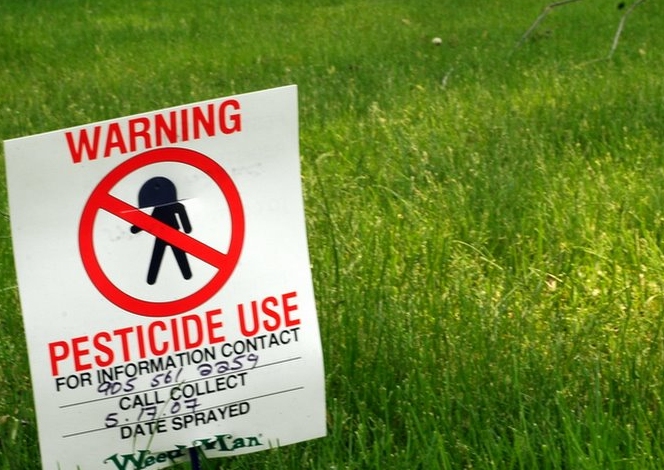
Pesticides: the Big Picture
Pesticides are used all around us, in homes and gardens, schools, parks and agricultural fields. All too often, these chemicals are allowed onto the market before their impacts are fully understood — and harms to our health and the environment are discovered years later. The science is increasingly clear that even low levels of exposure…
-
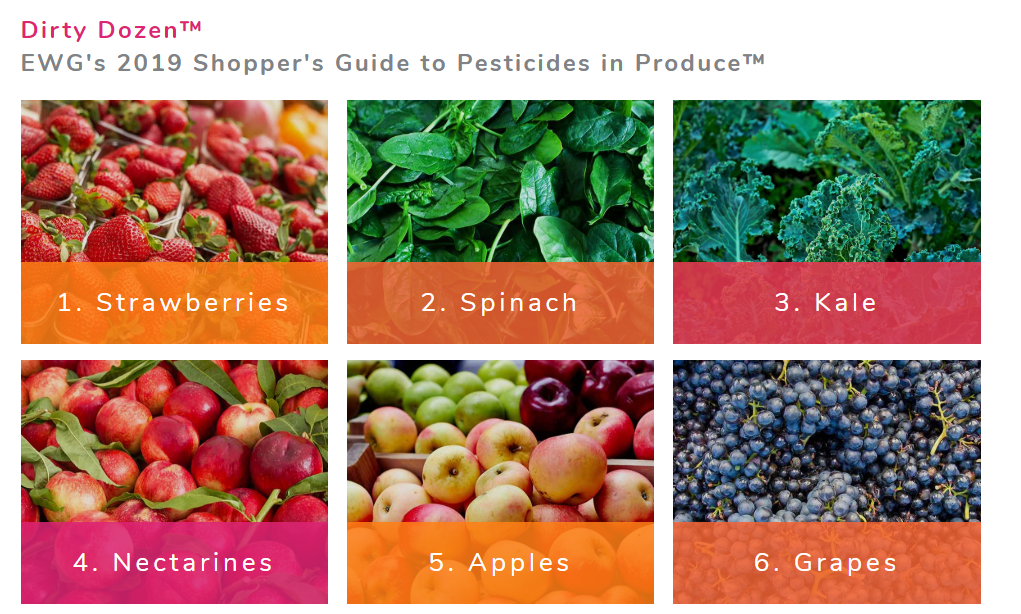
Top 3 Most Contaminated Produce
The Environmental Working Group released its annual “Dirty Dozen” list of fruits and vegetables. The list includes the top 12 veggies and fruits found to have highest amount of pesticide residue. In 2019 strawberries, spinach, and kale top the list. STRAWBERRIES The average American eats about eight pounds of fresh strawberries a year – and…
-
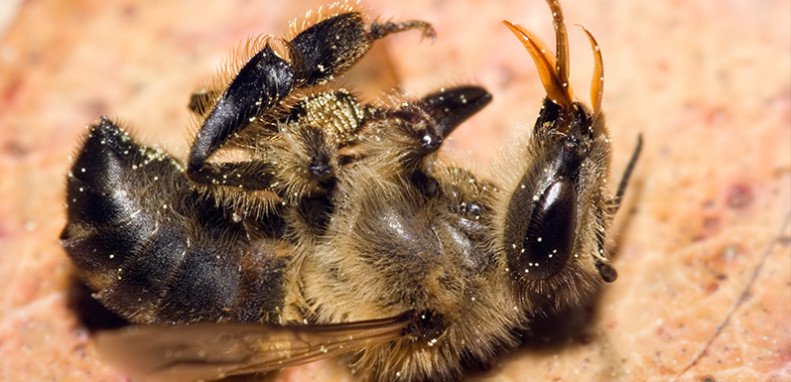
Bees Attracted to Dangerous Fungicides
Most people have heard that honey bee populations are struggling–and the affects that neonicotinoid pesticides are having on honey bee health are gradually becoming main-stream knowledge. Interestingly, what is coming to light as more research is done, fungicides may also have an adverse effect on honey bee health as well. Glorybee.com: We need bees. With…
-

Toxic Teas To Avoid
Although tea is widely thought to be a healthier source of caffeine than coffee, soda or energy drinks, conventional tea brands have been shown to contain high levels of toxic substances such as fluoride and pesticides, artificial ingredients, added flavors and GMOs(modified corn starch and soy lecithin).The levels found in these products are so high…
-
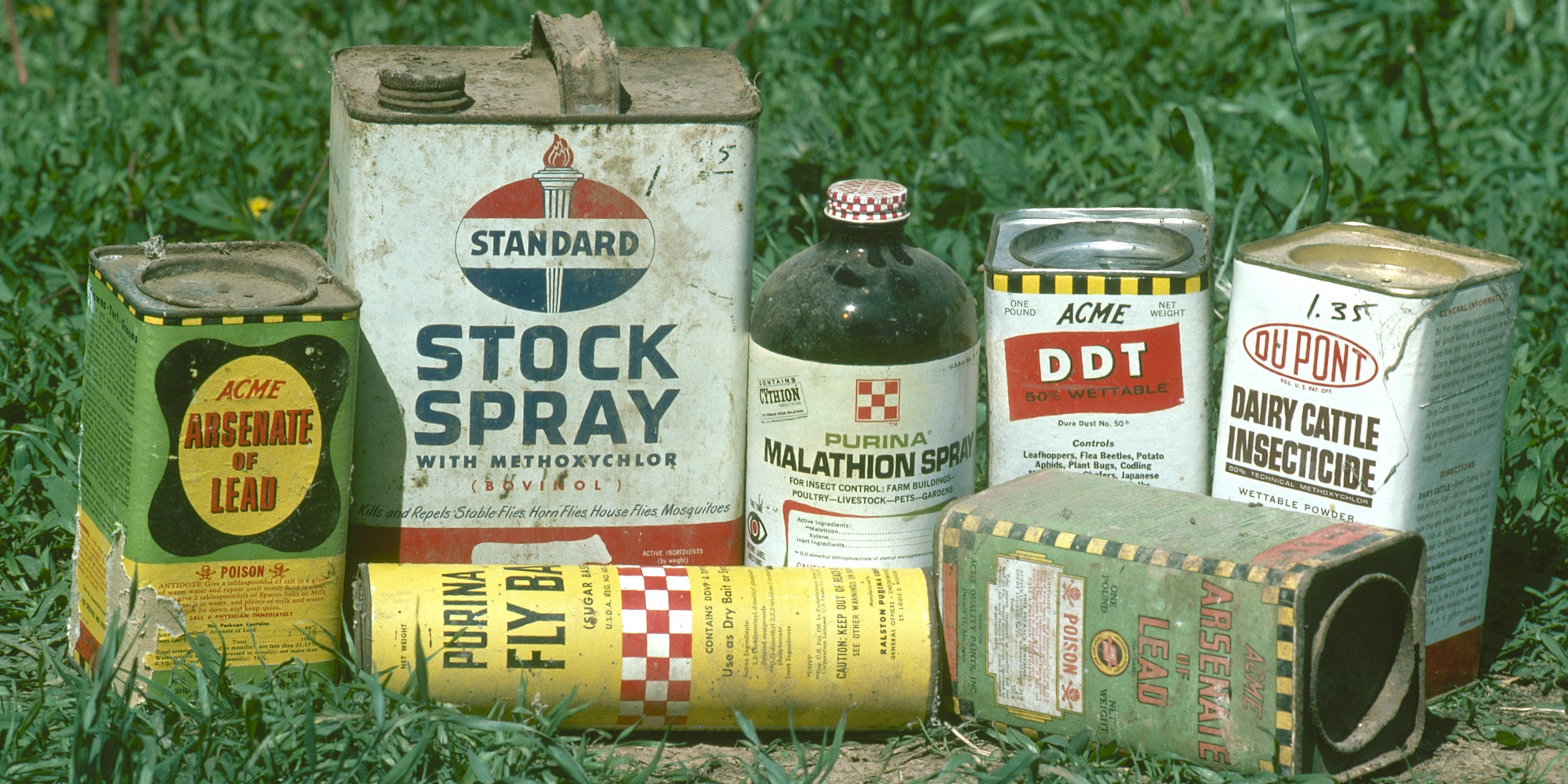
It took 20 years to realize that the weapon against insects is harmful to humans
HFI: Pesticides. Harmful to insects, damaging to the environment, and creating havoc on human health for decades. DDT “A Handful of concentrated death”. For years, DDT was promoted as a safe and effective insect killer. It wasn’t until 20 years later, we realized that it was also a human killer. Historical clips on DDT, Rachel…
-
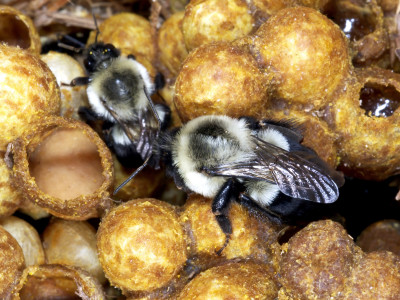
Popular Pesticides Keep Bumblebees From Laying Eggs
Pesticides harm the environment. A new study is adding to evidence that a popular class of pesticides can harm wild bees, like bumblebees. Photo Researchers/Getty Images Wild bees, such as bumblebees, don’t get as much love as honeybees, but they should. They play just as crucial a role in pollinating many fruits, vegetables, and wildflowers,…
-
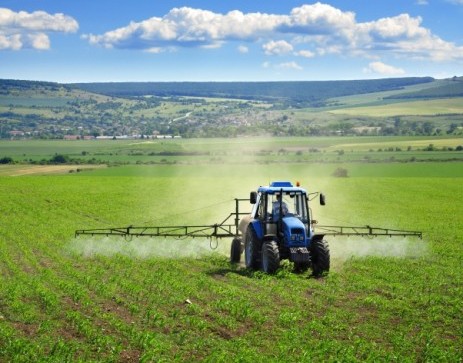
3 Pesticide Realities
All too often, Monsanto and the rest of the “Big 6” pesticide corporations distort information to make their products seem safe and necessary — but they’re not. Myths about pesticides are a testimony to the power of advertising, marketing and lobbying. Pesticide corporations, like big tobacco and the oil industry, have systematically manufactured doubt about…
-
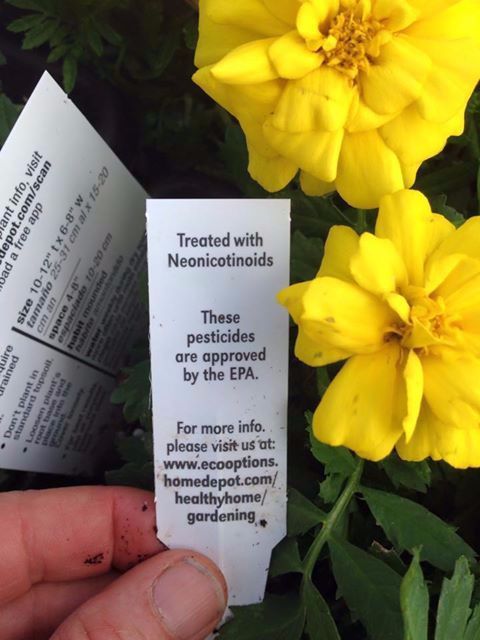
TOXIC Neonicotinoids EPA Approved Bee Killer
HFI: Important!! Neonicotinoids Do not, I repeat, do not buy plants treated with Neonicotinoids. Bees take the pollen back to the hive and feed it to the brood. This is the number one cause of colony collapse! They are banned in Europe! Avoid these toxins and Save the bees! Neonicotinoids are also known to kill…
-
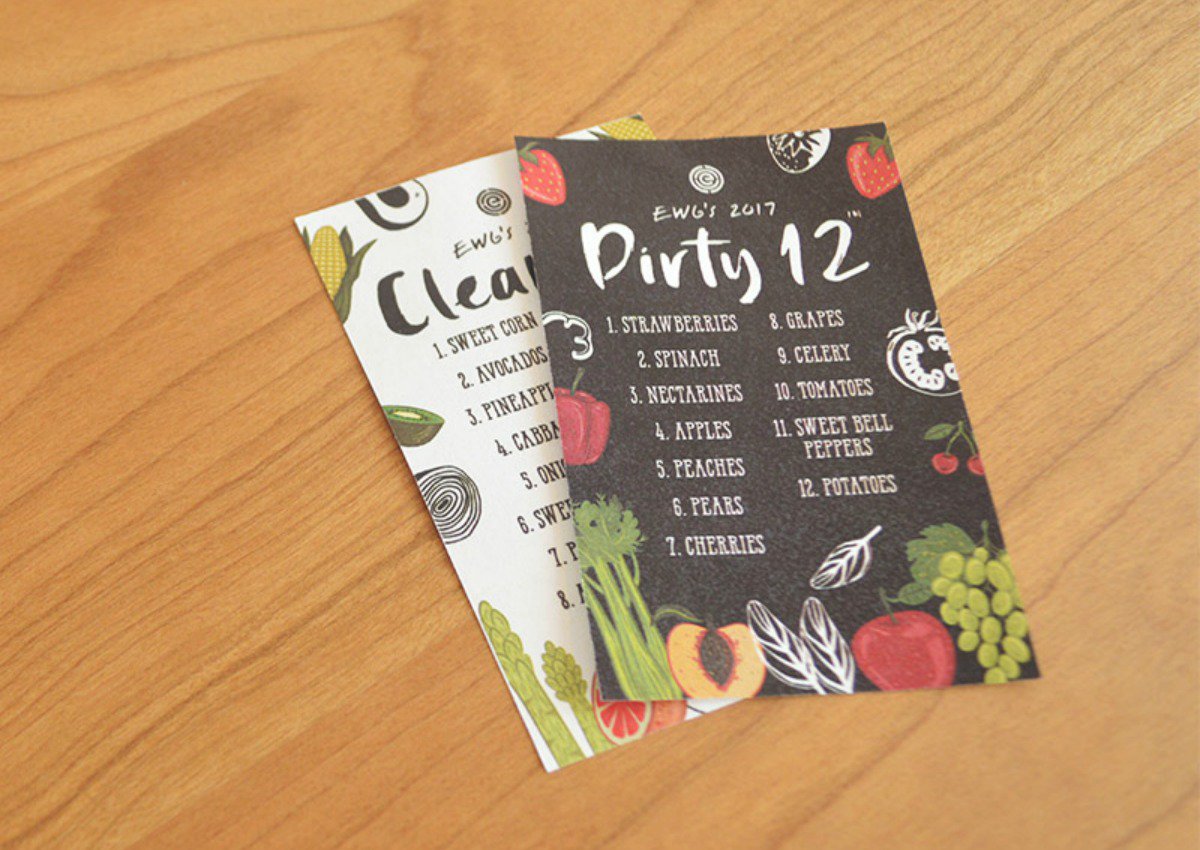
The 2017 Dirty Dozen: Strawberries, Spinach Top EWG’s List of Pesticides in Produce
Julie: My canary child can tell you if the strawberries are contaminated. Even if the label says ORGANIC – doesn’t mean it isn’t sprayed prior to planting. Driscolls causes almost instant reaction for his little body. We have to get to know our farmer before letting my littlest try the strawberries. EWG’s analysis of tests…
-
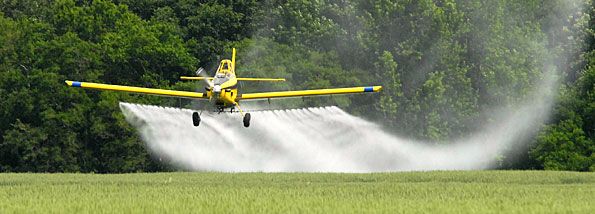
OUR FOOD, TOXIC FIELDS.
Among farmworkers, 10,000–20,000 pesticide poisonings occur every year. Beyond the acute poisonings, there are long-term, chronic health effects such as cancer, Parkinsons’ Disease, asthma, birth defects and neurological harms, including developmental delays and learning disabilities. Children of farmworkers are particularly at risk. Pesticides cling to workers’ skin and clothing long after they return home, putting…